Shelf compliance and footfall for every pharmacy. Without recording anyone.
Staff photograph over-the-counter, health and beauty shelves with the phones they already have, and every face is blurred before anything is stored. mmWave sensors measure footfall and queues at the counter from radar reflections, with no images at all.
Start with a 7-day shelf audit · nothing to install
- Spec 01
- Shelf compliance
- Spec 02
- Counter queues and footfall
- Spec 03
- Faces blurred, no video
- Till · conversion
- Receipts ÷ visits
- Shelf · OTC shelves
- Fill, hour by hour
- Floor · Counter queue
- 3 waiting
- Floor · footfall today
- 412
The gap
Fast-moving shelves, busy counters. Little room for error.
Gaps and drifting layouts
Fast-moving lines peak with the seasons, and layouts agreed with head office are set up store by store. Without a photo, nobody sees which pharmacies have gaps or drift from the plan.
Waiting at the counter
Queues at the counter build at predictable times, but without measuring them it is hard to staff for them, or to know how long people wait.
Is mmWave privacy-safe?Photos that carry personal data
A pharmacy is a sensitive place to take photos. A customer caught in the frame is personal data, and where they were photographed can hint at their health.
What the GDPR saysThree senses · one analytics layer
One analytics layer for pharmacies. How people move, what is on the shelf, what they buy.
Three layers, read side by side: 60 GHz radar on the floor, computer vision on the shelves, and the till you already run.
Layer 01 · Floor
Radar turns movement into footfall.
Counter queues
When the queue at the counter builds and how long it gets.
Footfall by hour
How many people come in, and when, so staffing can follow the peaks.
Zone activity
Which bays customers reach and where they stop to browse.
Layer 02 · Shelf
Every display, hour by hour.
- OTC shelves84% / 80%
- Health & beauty54% / 78%
- Seasonal displaySold out
- Baby care71% / 70%
Over-the-counter shelves
Stock levels for fast-moving lines such as pain relief and cold and flu remedies, with seasonal peaks in view.
Health and beauty bays
Skincare, cosmetics and personal care, checked against the agreed layout.
Supplier displays
Proof that each promotional display is in place and stocked, store by store.
Receipts from your POS
The till you already run, connected. No new devices in the shop.
Conversion per hour
Receipts divided by visits, hour by hour. People who walk in together and pay together count as one visit.
No receipt linked to a person
Conversion comes from counts, so a receipt never meets an identity.
Layer 01 · Floor · how it works
Queues at the counter. Measured without cameras.
People visit a pharmacy for their health, so the floor layer records no images and identifies no one. mmWave sensors measure footfall and queues from radar reflections only.
- 01
Sensors on the ceiling
Compact 60 GHz radar sensors go on the ceiling, scoped to each location. One sensor covers one area, so larger floors use several.
- 02
Reflections, not images
The radar turns radio reflections off moving people into anonymous points. No pictures, no faces, and nothing read from anyone's phone.
- 03
Live next to the shelf data
Footfall, paths, dwell and queues flow continuously into the same dashboard as the shelf audits from the same store.
Read together
Read them together. Shelf and footfall in one dashboard.
- 01
Stock for the busy hours
Seasonal lines run low fastest when footfall peaks. Seeing both shows when to restock before the rush.
- 02
Queue or shelf problem?
Long waits at the counter and gaps on the shelf need different fixes. One view shows which one a pharmacy has.
- 03
Displays that earn their space
Dwell in front of a supplier display, next to proof it was set up, shows whether it draws customers in.
Privacy
We measure places, not people.
- Faces are blurred on capture, before a photo is stored or analysed.
- The radar records no images, reads nothing from phones and identifies no one.
- Conversion comes from counts: receipts divided by visits, hour by hour. No receipt is linked to a person.
- No biometric data is extracted or retained. Built and hosted in Europe, GDPR-compliant by design.
Notes
Questions, answered.
What pharmacies operators ask us before rolling out.
01
How does ASAI Labs check pharmacy shelves?
Staff photograph shelves and displays with a phone or tablet when a check is due. A vision model turns each photo into stock levels and layout checks, and staff can confirm or correct each result in one click.
02
Can it measure queues at the pharmacy counter?
Yes. Ceiling-mounted mmWave sensors measure when the queue at the counter builds and how long it gets, along with footfall and which bays customers reach. They record no images and identify no one, which matters in a place people visit for their health.
03
Does it photograph customers?
Staff photograph shelves, not people, but customers can end up in the frame. Every face is detected and blurred on capture, before a photo is stored or analysed. No biometric data is extracted or retained, and data is processed in the EU.
04
Can head office see which pharmacies follow the agreed layout?
Yes. Every store's checks land in one dashboard with scheduled, submitted and overdue checks, and each photo can be reviewed, confirmed or corrected. Managers get role-based access to their own stores.
05
How does footfall tracking work without cameras?
The sensors are 60 GHz radar. They measure how radio waves reflect off people moving through the space and turn the reflections into anonymous points, which give footfall, paths, dwell and queues. They record no images, read nothing from phones and identify no one.
06
Do we need to install cameras in our pharmacies?
No cameras. Staff photograph shelves and displays with the smartphones or tablets they already use. For footfall, dwell and queues, compact mmWave radar sensors go on the ceiling, scoped to each location, and they record no images.
07
How long does a rollout take?
About two weeks for the shelf audits. Your team captures a first batch of photos, we train a model on your pharmacies, and it goes live across every location. The mmWave layer is scoped to each location separately.
Library
Further reading
Guide
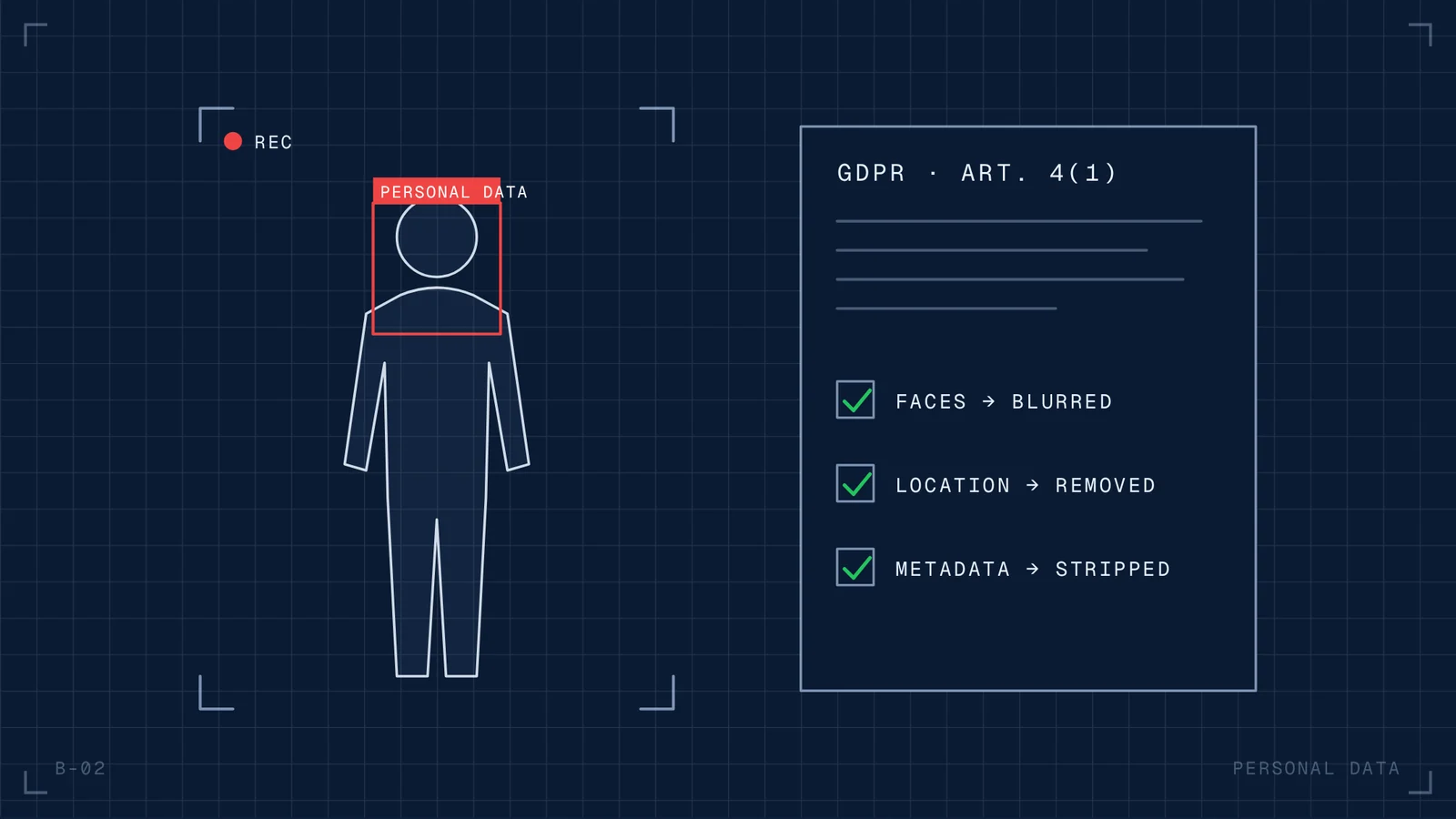
Are store photos personal data under the GDPR?
When a photo of a shop counts as personal data, what that means for sharing shelf and display photos, and the simple steps that keep them out of scope.
Guide
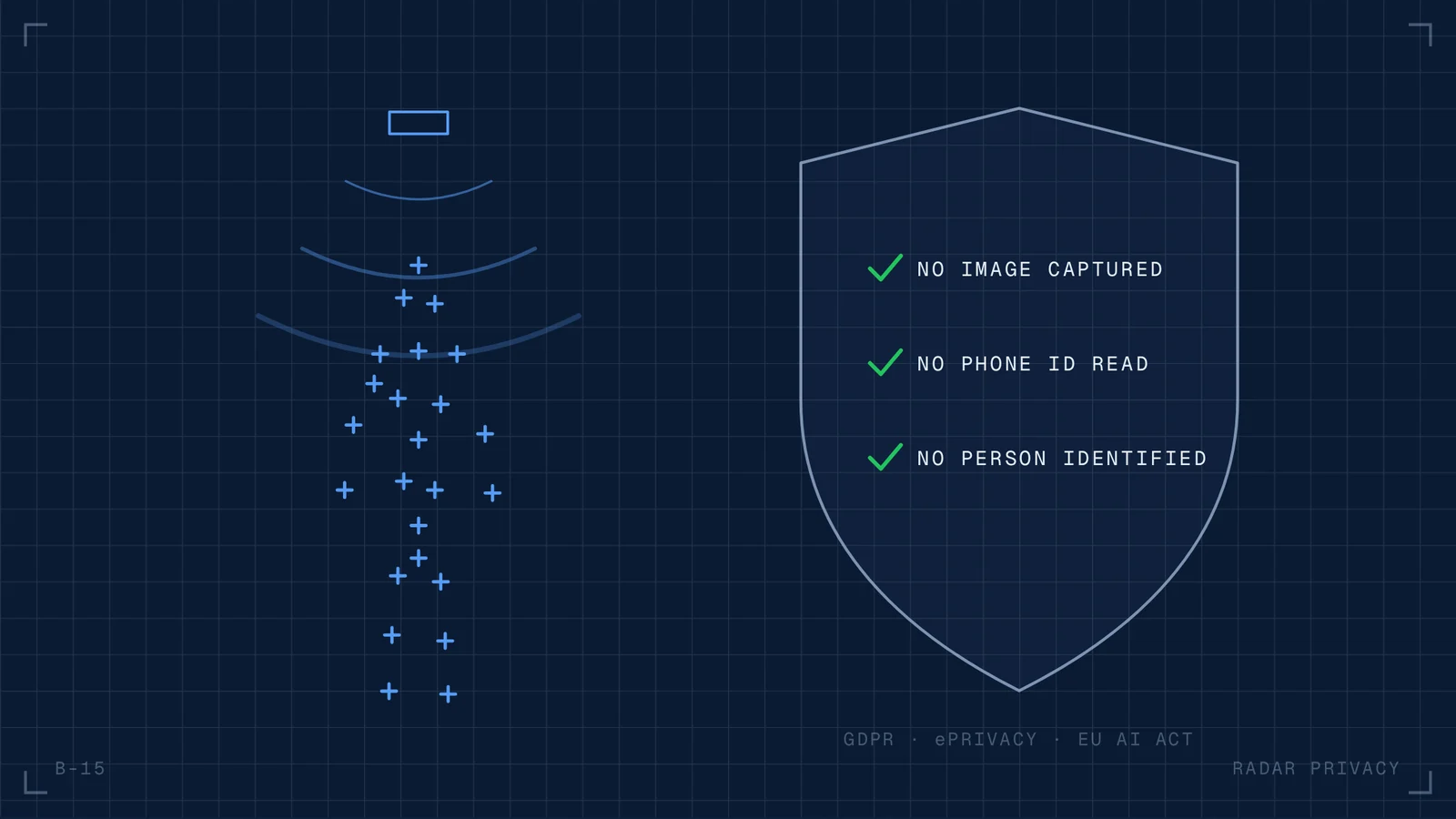
Is mmWave radar privacy-safe? GDPR and in-store sensing
Radar records no images, but movement tracks can still be personal data. What GDPR, the ePrivacy rules, and the EU AI Act mean for in-store mmWave sensing.
Comparison
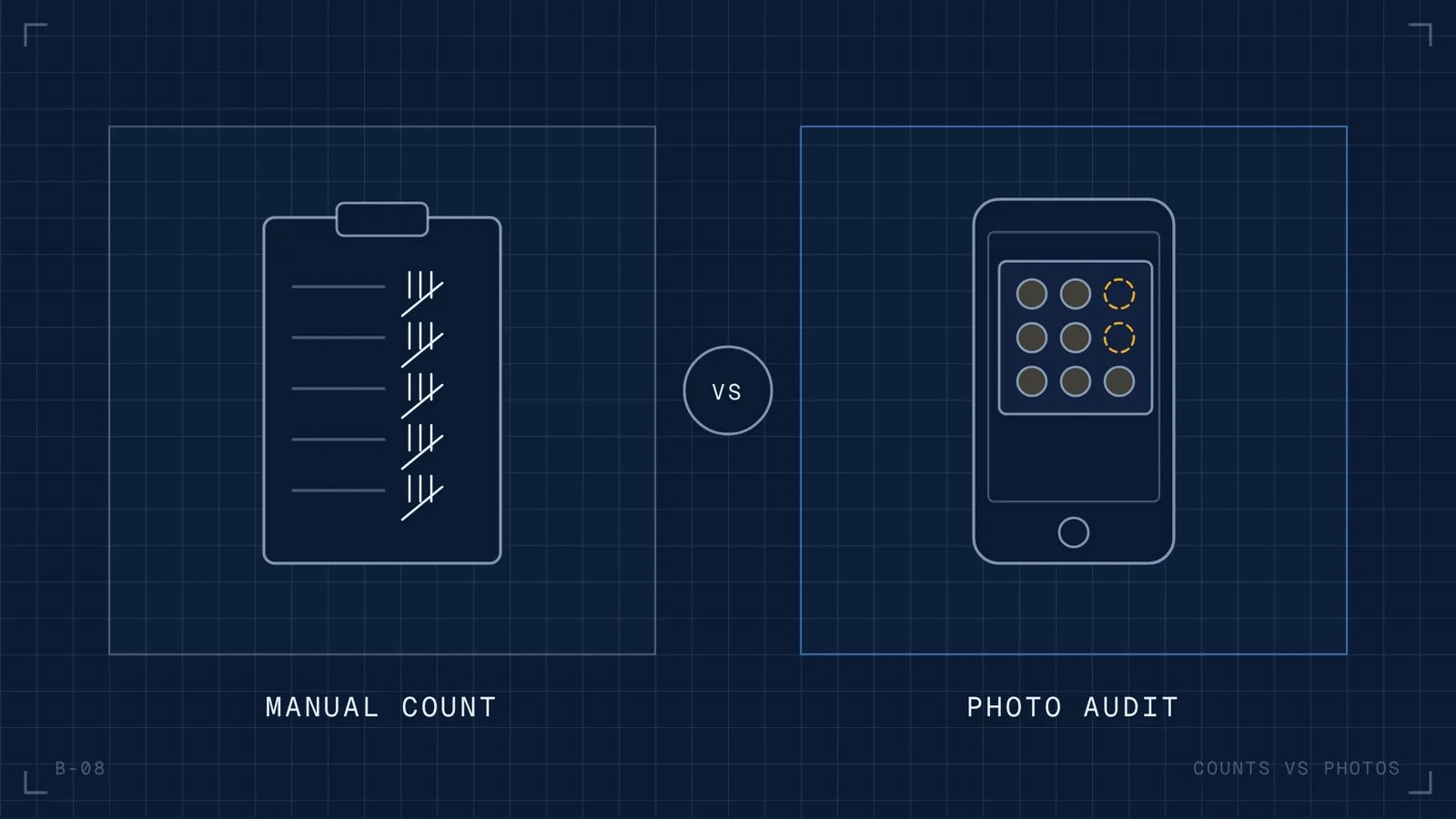
Photo audits vs manual stock counts
Manual counts are free and flexible; photo audits give consistent, checkable numbers across stores. When each is the right choice for bakery displays.